


Vinyl Acetate Monomer HQ 20-30 · inhibitor 20-30 ppm
A high band for cargo that is in motion for weeks and then waits again at a terminal or a regional store. It suits buyers who hold cover against shipping uncertainty, and it is normally specified with a written re-test rule rather than a storage promise, because the useful life depends on conditions the buyer controls.
Typical values, not for specification. Batch certificate governs delivery.
| Chemical name | Vinyl Acetate Monomer (VAM) |
|---|---|
| CAS / EINECS | 108-05-4 / 203-545-4 |
| Formula / MW | C4H6O2 / 86.09 |
| Appearance | Clear, colourless liquid, free of suspended matter |
| VA purity | ≥ 99.9 wt% (typical) |
| Water | ≤ 200 ppm (0.02 wt%, typical) |
| Acidity as acetic acid | ≤ 50 ppm (typical) |
| Acetaldehyde | ≤ 50 ppm (typical) |
| Methyl acetate | ≤ 50 ppm (typical) |
| Ethyl acetate | ≤ 250 ppm (typical) |
| Colour | ≤ 5 Pt-Co (typical) |
| Distillation range @760 mmHg | 72.3 – 73.1 °C |
| Density @20/20 °C | 0.9320 – 0.9345 g/cm³ |
|---|---|
| Boiling point | 72.7 °C |
| Melting point | − 93.2 °C |
| Flash point (closed cup) | − 8 °C |
| Autoignition temperature | 385 – 427 °C (source dependent) |
| Explosive limits in air | 2.6 – 13.4 vol% |
| Vapour pressure @20 °C | 11.7 kPa |
| Vapour density (air = 1) | 3.0 |
| Solubility in water @20 °C | ≈ 2 g/100 mL |
| Refractive index n20/D | 1.395 |
| Inhibitor (hydroquinone, HQ) | 20-30 ppm |
| Storage stability | Depends on temperature, oxygen availability and inhibitor consumption; periodic HQ and polymer re-test recommended |
Buffer stock is a decision about how much uncertainty to carry, not a bet on where the number will go. This section sets out the cover model, the discipline and the age link.
Base cover on the longest realistic replenishment time rather than the average one, then add a stated margin. A cover sized on the average is exhausted roughly half the time, which is the wrong half for a plant that cannot stop.
Replenish on a schedule driven by consumption and cover, not by a view on the market. A rule that can be written down before the quarter starts is the only kind that survives a month when the price moves.
Tie the tank and store records to lot age so that the oldest material is visibly the first to move. When cover is large, rotation is what prevents the buffer from becoming the problem it was meant to solve.
Stainless steel or aluminium only. Confirm the headspace practice against documented supplier guidance instead of assuming a nitrogen blanket is protective.
Review cover against actual lead times each quarter. A buffer that is never reviewed slowly becomes a number that reflects last year logistics rather than this year.
Define the interval and the response to a falling figure, up to and including withdrawal. The rule should be written while stock is healthy and applied without negotiation later.
Keep tanks shaded and stores dry. A high band buys time, not immunity, and heat spends that time faster than anything else.
Bond and earth during every transfer, dedicate hoses and drain them. Large inventories mean more transfers, and every transfer is a chance for the vapour hazard to appear.
Each route below links to the application map for the full grade set.
Large emulsion sites holding strategic cover
Binder plants with contracted intake
Regional hubs supplying several plants
Coating operations buying in bulk parcels
Binder producers smoothing seasonal swings
Every export lot ships with a batch certificate of analysis.
Compare the inhibitor band, storage window and delivery form side by side.
Technical, knowledge and commercial notes written for this product line.

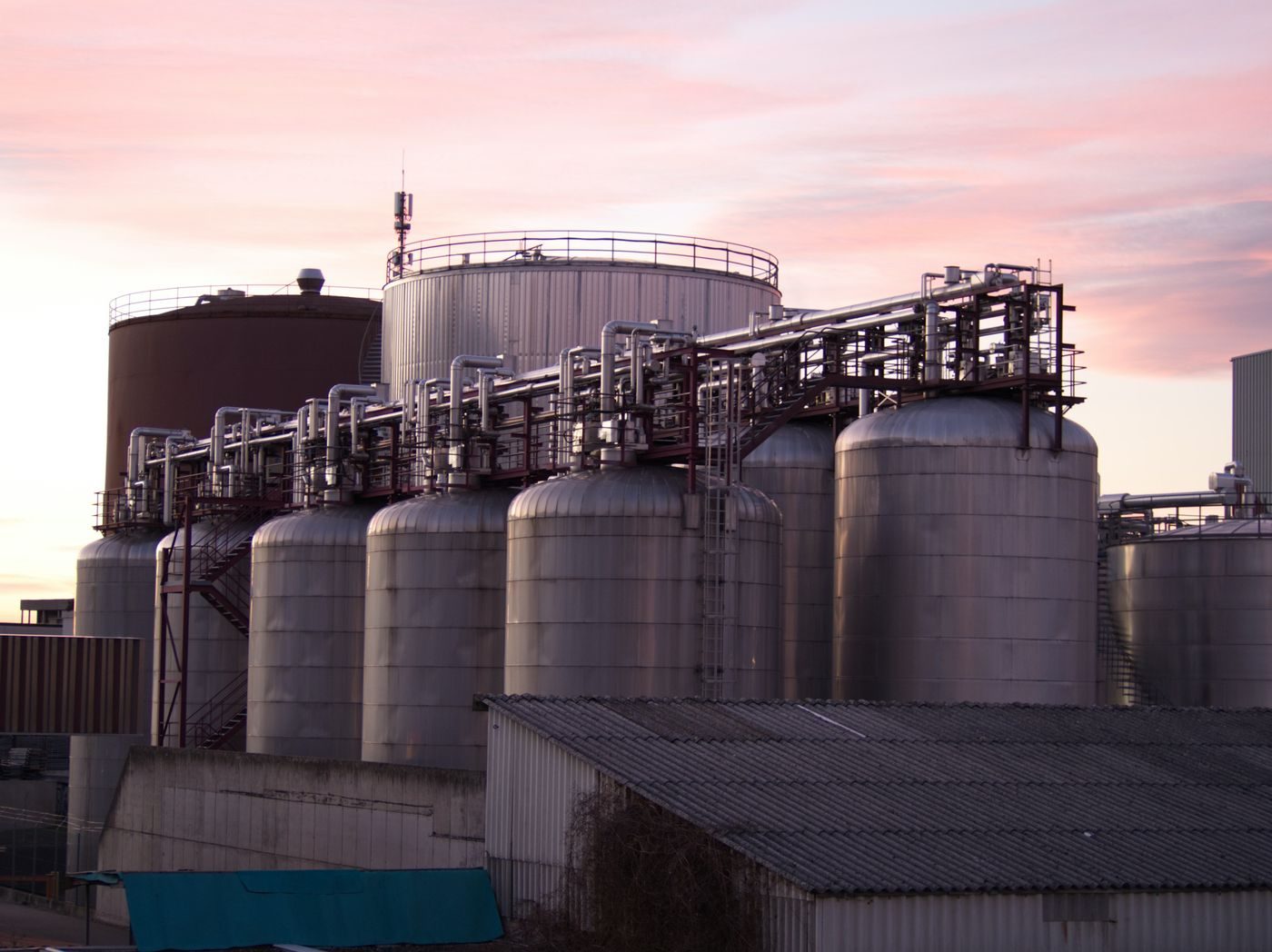
Send your required volume, delivery form and site for Celanese VAM HQ 20-30; we reply with the matching grade, the batch documentation and the shipping window.
 +8615380400285
 sales2@liwei-chem.com
 +8615380400285
 Fred Wang

 Scan to WhatsApp