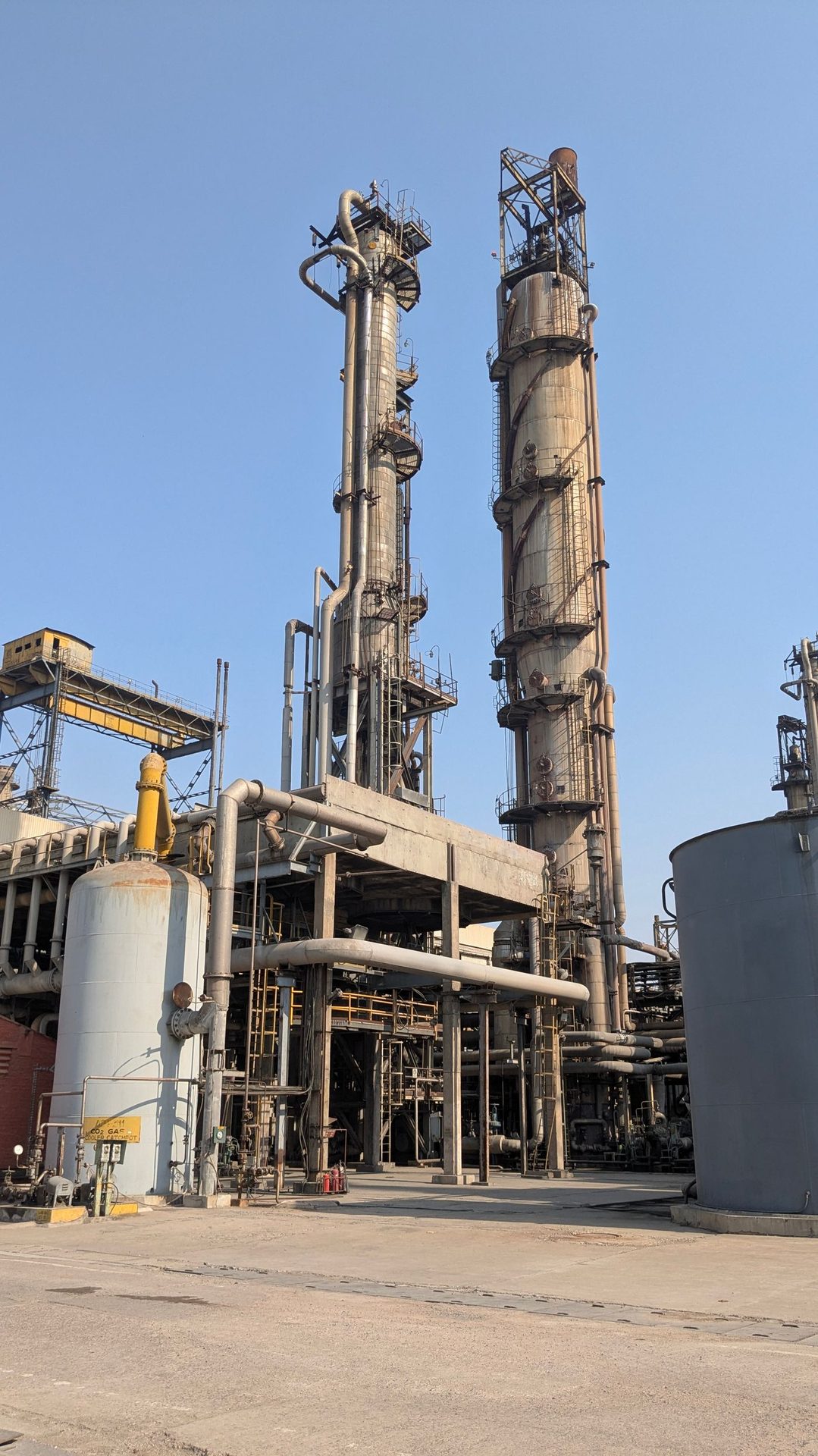
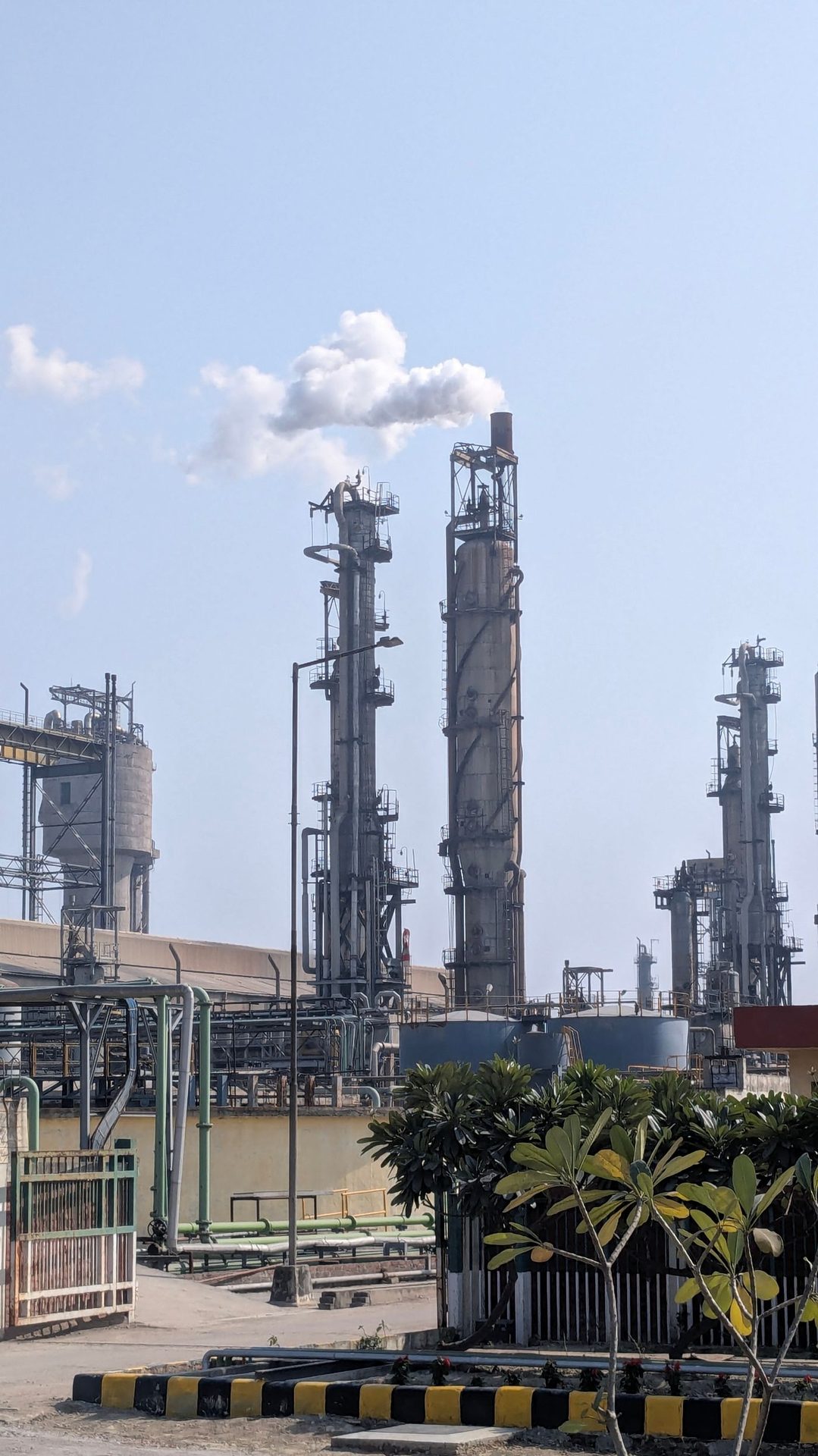




Vinyl Acetate Monomer HQ 10-12 · inhibitor 10-12 ppm
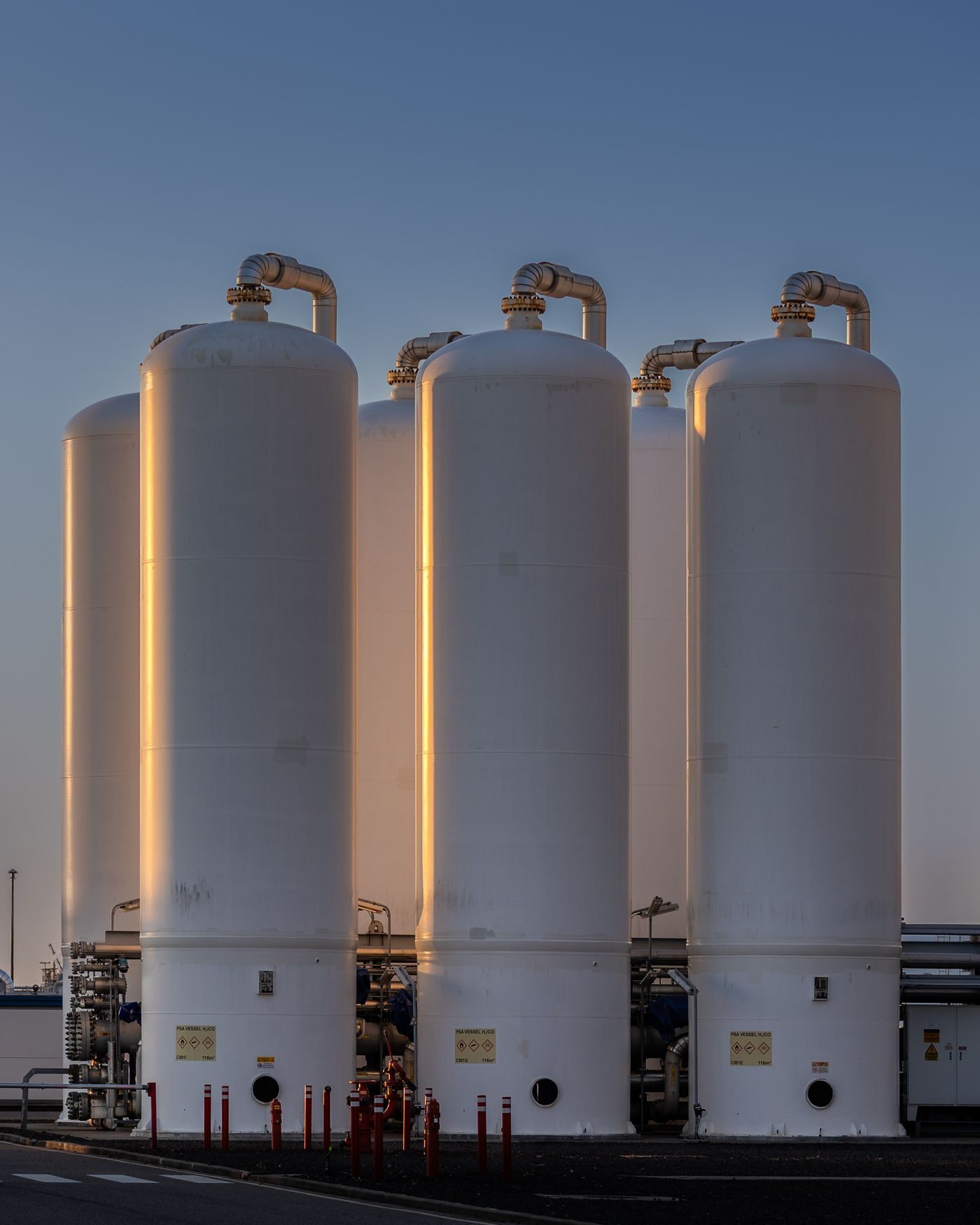
The default export band for ocean voyages of roughly three to five weeks into temperate discharge ports. It is the grade most often quoted when a buyer needs one specification that works across several destinations, and it pairs naturally with ISO tank delivery where the receiving site has tankage of its own. The remaining choice is the container, and that depends on the site rather than the product.
Typical values, not for specification. Batch certificate governs delivery.
| Chemical name | Vinyl Acetate Monomer (VAM) |
|---|---|
| CAS / EINECS | 108-05-4 / 203-545-4 |
| Formula / MW | C4H6O2 / 86.09 |
| Appearance | Clear, colourless liquid, free of suspended matter |
| VA purity | ≥ 99.9 wt% (typical) |
| Water | ≤ 200 ppm (0.02 wt%, typical) |
| Acidity as acetic acid | ≤ 50 ppm (typical) |
| Acetaldehyde | ≤ 50 ppm (typical) |
| Methyl acetate | ≤ 50 ppm (typical) |
| Ethyl acetate | ≤ 250 ppm (typical) |
| Colour | ≤ 5 Pt-Co (typical) |
| Distillation range @760 mmHg | 72.3 – 73.1 °C |
| Density @20/20 °C | 0.9320 – 0.9345 g/cm³ |
|---|---|
| Boiling point | 72.7 °C |
| Melting point | − 93.2 °C |
| Flash point (closed cup) | − 8 °C |
| Autoignition temperature | 385 – 427 °C (source dependent) |
| Explosive limits in air | 2.6 – 13.4 vol% |
| Vapour pressure @20 °C | 11.7 kPa |
| Vapour density (air = 1) | 3.0 |
| Solubility in water @20 °C | ≈ 2 g/100 mL |
| Refractive index n20/D | 1.395 |
| Inhibitor (hydroquinone, HQ) | 10-12 ppm |
| Storage stability | Depends on temperature, oxygen availability and inhibitor consumption; periodic HQ and polymer re-test recommended |
The same specification leaves the plant in three different containers, and each one changes what the receiving site has to do. This section sets out how the form is chosen and what to check on arrival.
The choice between ISO tank, bulk tanker and drums is driven by the receiving site, not by the product. An ISO tank needs a pump, a hardstand and someone who can take a full load in a day. Drums need neither, but they multiply the containers that must be opened, sampled and closed, and each drum is a headspace that can degrade independently of the bulk.
The practical rule is to match the form to the consumption rate. A plant that charges a tank a week is a natural ISO tank customer; a plant that adds a few drums a month to a batch should not be persuaded into a bulk delivery it cannot absorb. Whichever form is chosen, the arrival check stays the same in principle, and the receiving record should state which container the sample came from.
Stainless steel or aluminium only. Confirm the headspace practice against documented supplier guidance instead of assuming a nitrogen blanket is protective.
Match the container to the site rather than to the freight rate. A cheap bulk movement into a plant without a pump becomes an expensive delay at the gate.
Keep drums out of direct sun in the container and stow them so that labels and closures stay accessible. A container that must be unloaded to reach one drum wastes the advantage drums were meant to provide.
Inspect seals, look for leakage staining and sample before unloading. Photograph anything unusual; a picture taken at the gate settles questions that a written note cannot.
Move the material into shaded storage the day it is released. A container yard is the hottest place the product will ever sit, and time there is time subtracted from the working window.
Each route below links to the application map for the full grade set.
Export-oriented emulsion producers
Binder plants serving several markets
Coating kitchens with tankage on site
Ink plants receiving packed drums
Binder lines with modest monthly draw
Every export lot ships with a batch certificate of analysis.
Compare the inhibitor band, storage window and delivery form side by side.
Technical, knowledge and commercial notes written for this product line.

Send your required volume, delivery form and site for Celanese VAM HQ 10-12; we reply with the matching grade, the batch documentation and the shipping window.
 +8615380400285
 sales2@liwei-chem.com
 +8615380400285
 Fred Wang

 Scan to WhatsApp