2026-11-09
Vinyl acetate monomer is a reactive building block, which is exactly why it needs to arrive at the reactor unchanged. Left alone, especially when warm or exposed to light, it will begin to polymerise without any initiator being added. Hydroquinone is the inhibitor used to prevent that, and the quantities involved are small enough to be easily underestimated.
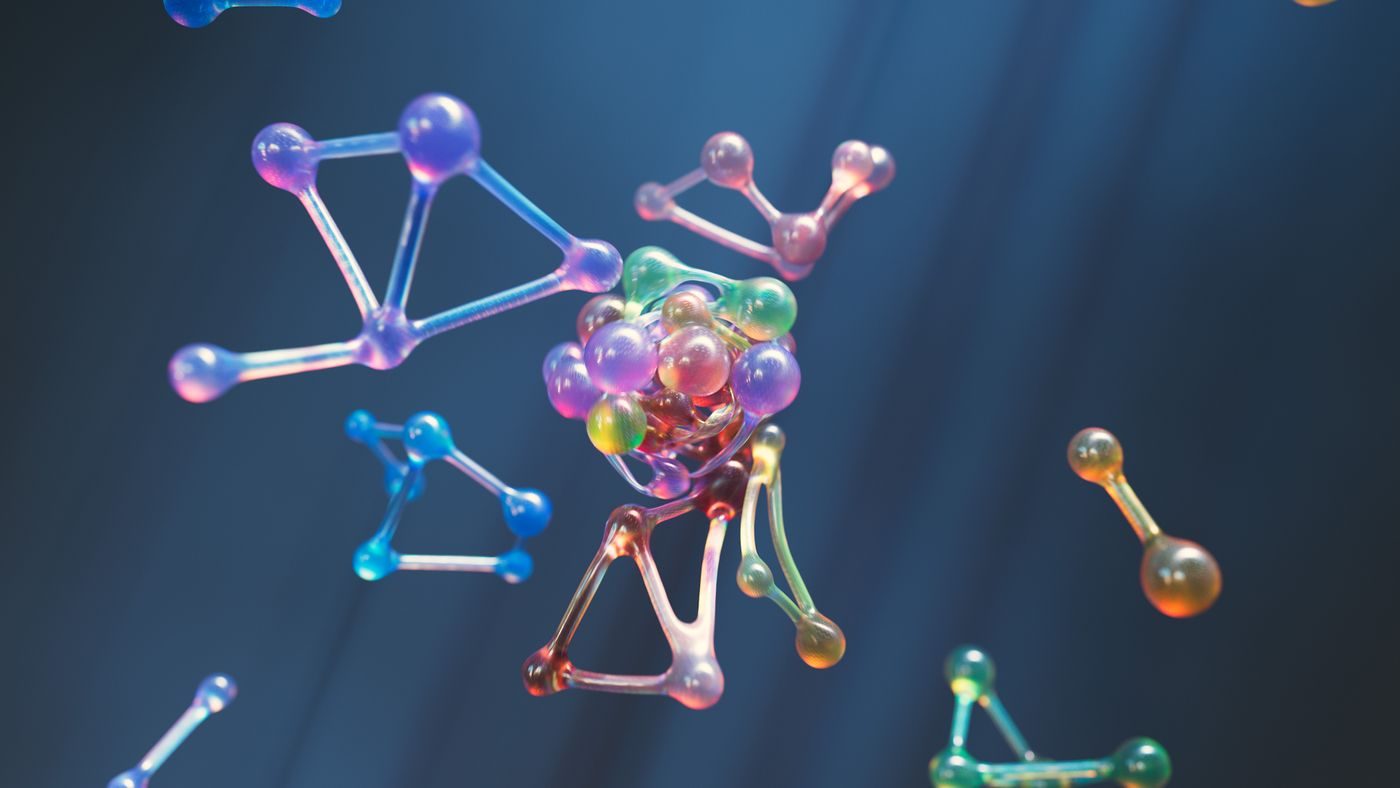
Polymerisation proceeds through radicals: an active centre opens the double bond of the next monomer and passes the activity along. Hydroquinone interrupts this by reacting with the radical before it can add another unit, converting an active species into one that cannot propagate. The chain stops growing before it becomes a visible polymer mass, so the monomer stays monomer and the reactor starts from a clean slate.
The protection is a consumable, not a property. Every radical event that hydroquinone intercepts uses some of it, and the intercepted count rises with temperature, with time and with the presence of impurities that generate radicals. A certificate figure describes the band at the moment of filling; it says nothing about the figure after a month in a warm tank, which is why a re-test before charging exists as a separate step.
Inhibitor dissolved in the liquid does not travel with the vapour. The headspace above a well-protected tank therefore contains uninhibited monomer, and that vapour can polymerise on a cool surface or block a vent. This is one reason vents, flame arresters and gauge connections need inspection, and one reason the vapour space is treated as a hazard in its own right rather than as empty room above the product.
A useful inhibitor result is read alongside the sample appearance and the water figure, not in isolation. A figure inside the band with a clear sample is reassuring; the same figure with haze suggests something has already started. Analysts also report the method, because gas chromatographic results are only comparable when the sample handling and the standardisation match.
Heat is the obvious accelerant, but light and trace metals matter too. Copper, zinc and rusted iron surfaces can promote decomposition, and ultraviolet light is a recognised trigger for spontaneous reaction. That combination explains why a drum stored in a shaded stainless tank behaves differently from an identical drum left beside a warm wall in a copper-lined line.
The grades this note was written against.
Reference this note and your grade; we reply with the batch-side detail for Standard VAM.
 +8615380400285
 sales2@liwei-chem.com
 +8615380400285
 Fred Wang

 Scan to WhatsApp