


Vinyl Acetate Monomer HQ 5-7 · inhibitor 5-7 ppm
Chosen by plants whose draw follows the construction season, so inbound volume swings from modest to heavy within a few weeks. The band gives enough margin for a tank to stand through a slow month without asking the receiving team to manage a very short window, while remaining responsive when the line restarts. Temperature control in transit is the discipline that makes the margin last.
Typical values, not for specification. Batch certificate governs delivery.
| Chemical name | Vinyl Acetate Monomer (VAM) |
|---|---|
| CAS / EINECS | 108-05-4 / 203-545-4 |
| Formula / MW | C4H6O2 / 86.09 |
| Appearance | Clear, colourless liquid, free of suspended matter |
| VA purity | ≥ 99.9 wt% (typical) |
| Water | ≤ 200 ppm (0.02 wt%, typical) |
| Acidity as acetic acid | ≤ 50 ppm (typical) |
| Acetaldehyde | ≤ 50 ppm (typical) |
| Methyl acetate | ≤ 50 ppm (typical) |
| Ethyl acetate | ≤ 250 ppm (typical) |
| Colour | ≤ 5 Pt-Co (typical) |
| Distillation range @760 mmHg | 72.3 – 73.1 °C |
| Density @20/20 °C | 0.9320 – 0.9345 g/cm³ |
|---|---|
| Boiling point | 72.7 °C |
| Melting point | − 93.2 °C |
| Flash point (closed cup) | − 8 °C |
| Autoignition temperature | 385 – 427 °C (source dependent) |
| Explosive limits in air | 2.6 – 13.4 vol% |
| Vapour pressure @20 °C | 11.7 kPa |
| Vapour density (air = 1) | 3.0 |
| Solubility in water @20 °C | ≈ 2 g/100 mL |
| Refractive index n20/D | 1.395 |
| Inhibitor (hydroquinone, HQ) | 5-7 ppm |
| Storage stability | Depends on temperature, oxygen availability and inhibitor consumption; periodic HQ and polymer re-test recommended |
Summer delivery is the test case for any inhibited monomer. This section sets out the temperature watch, the loading window and the receiving practice that keep a seasonal tank in condition.
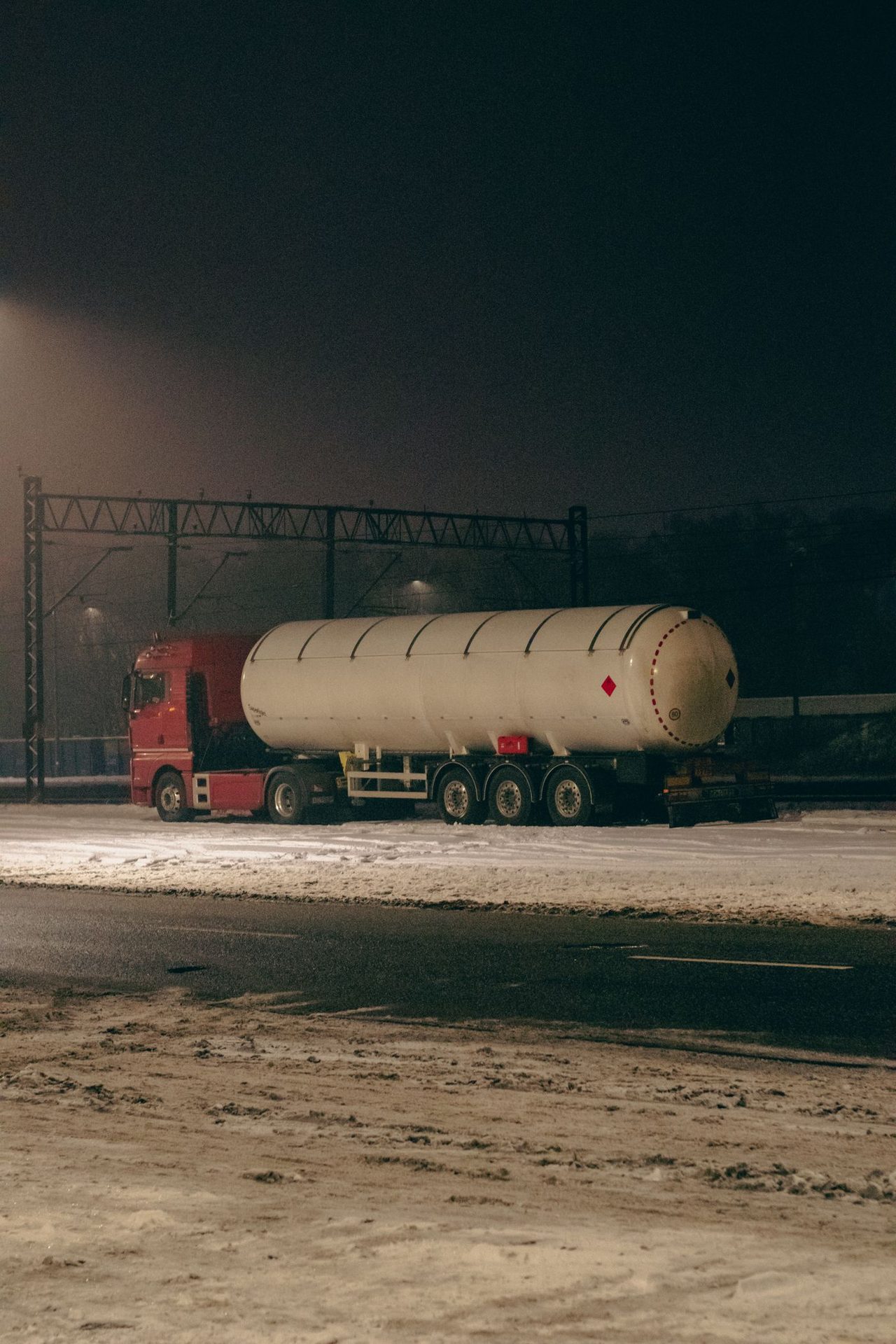
Schedule loading for early morning where the site allows it. A tanker that sits full on a hot yard for a day before departure arrives warmer than one loaded and moved within the same shift, and warmth is what shortens the useful window.
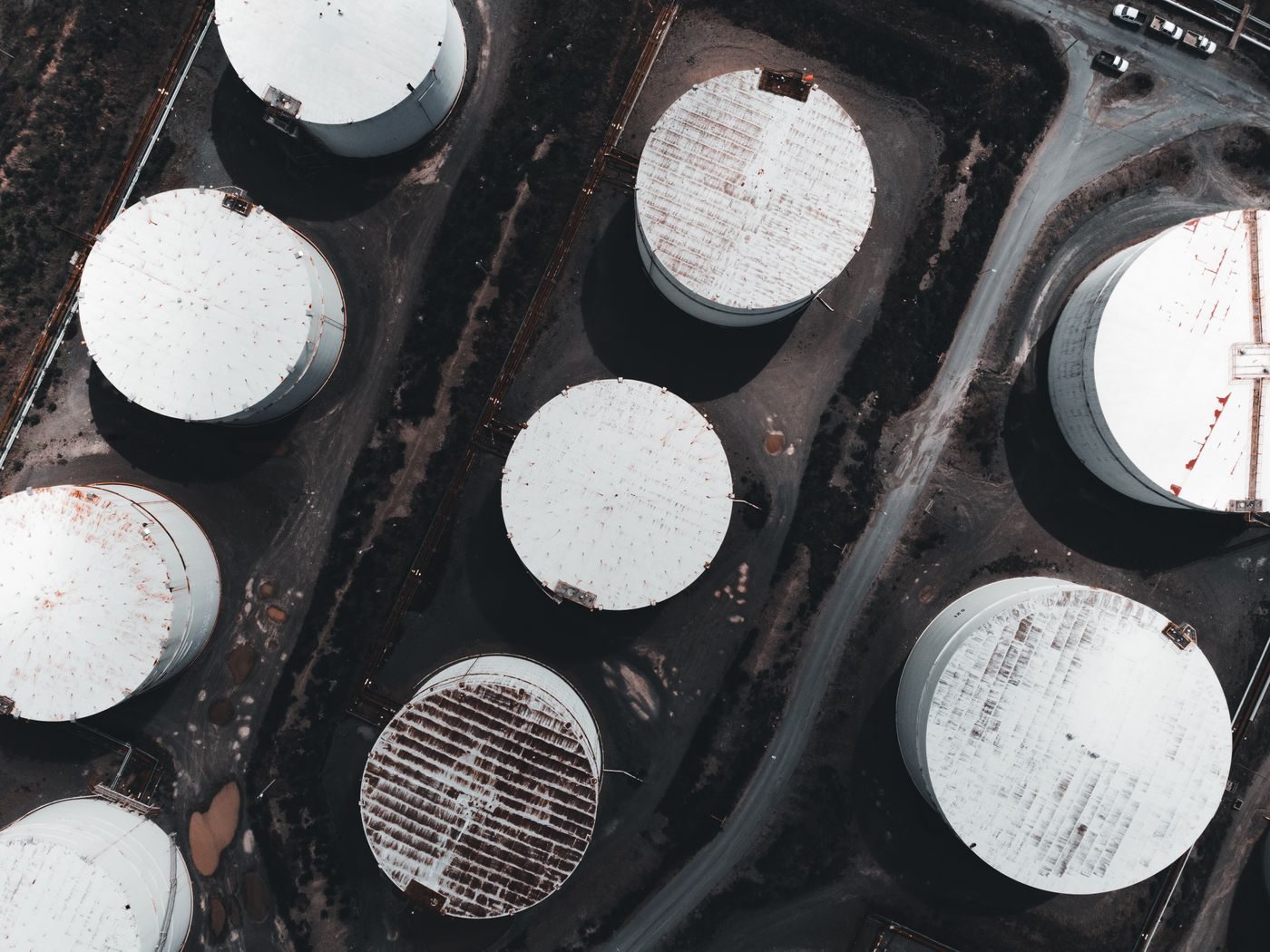
Keep the receiving tank out of direct sun and consider water spray on the shell during a heat wave. The aim is not refrigeration but avoiding a tank that stays well above ambient for days during a quiet period.
Plan the receiving crew so that a delivery is unloaded the day it arrives. Waiting over a weekend in a warm bay is the most common avoidable exposure in seasonal supply, and it is entirely a scheduling question.
Stainless steel or aluminium only. Confirm the headspace practice against documented supplier guidance instead of assuming a nitrogen blanket is protective.
Build the pre-season stock before the hot weeks rather than during them. Material purchased ahead and stored cool behaves better than material bought at the peak and delivered into an overheated tank.
Ask for a transit temperature record where available and keep it with the lot file. A simple log turns a later question about storage history into a documented answer.
Check insulation, shade structures and vent condition before the season starts. A cracked shade panel or a blocked vent is cheap to fix in spring and expensive to discover in August.
Confirm tank capacity before the tanker arrives so that discharge is not delayed by a level problem, and keep the arrival test ready at the dock instead of scheduling it for the next day.
Each route below links to the application map for the full grade set.
Seasonal architectural binder demand
Construction-season adhesive volumes
Warm-weather site chemical demand
Packaging demand that peaks with produce season
Every export lot ships with a batch certificate of analysis.
Compare the inhibitor band, storage window and delivery form side by side.
Technical, knowledge and commercial notes written for this product line.

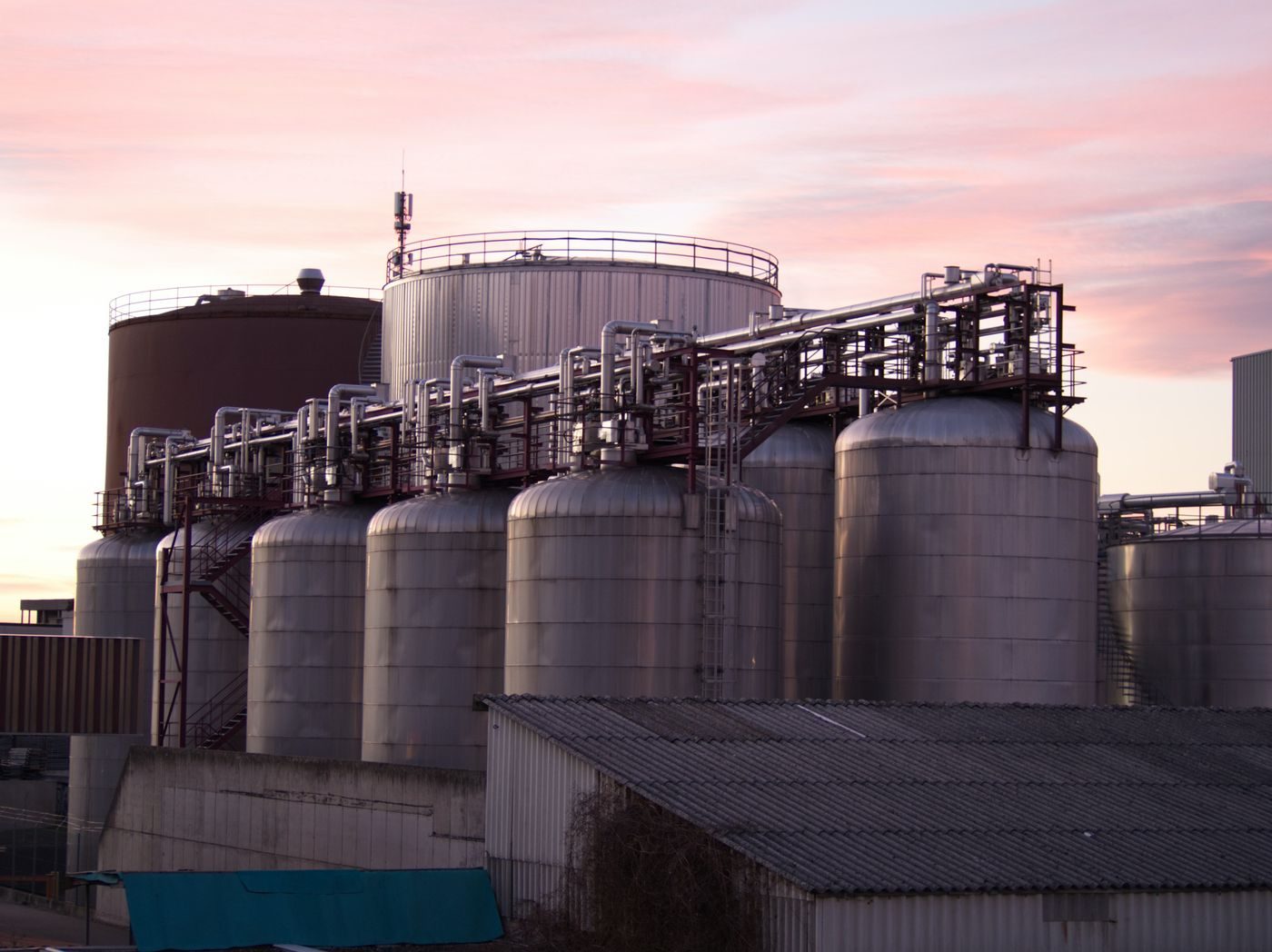
Send your required volume, delivery form and site for Celanese VAM HQ 5-7; we reply with the matching grade, the batch documentation and the shipping window.
 +8615380400285
 sales2@liwei-chem.com
 +8615380400285
 Fred Wang

 Scan to WhatsApp