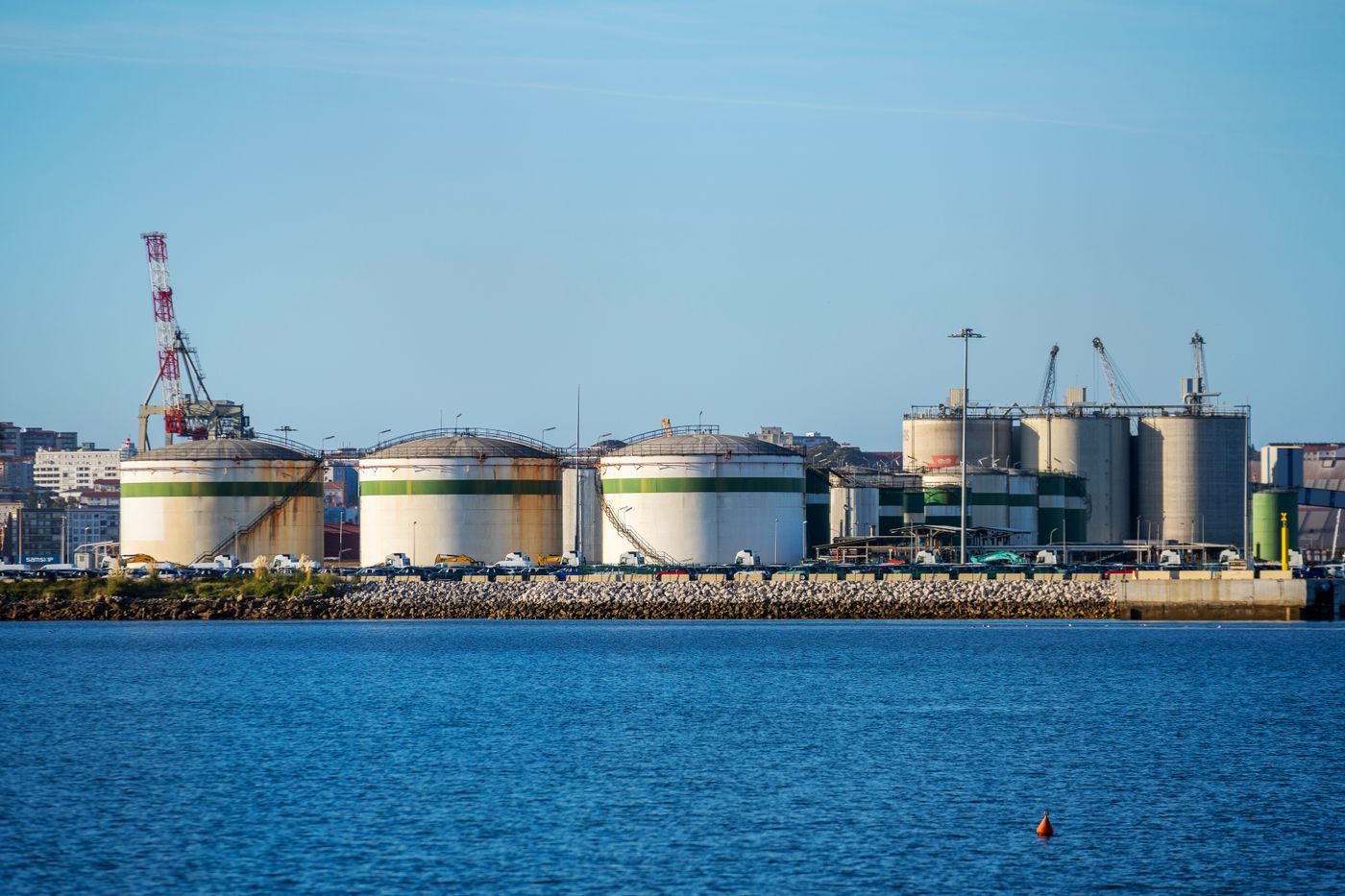





Vinyl Acetate Monomer HQ 4-7 · inhibitor 4-7 ppm
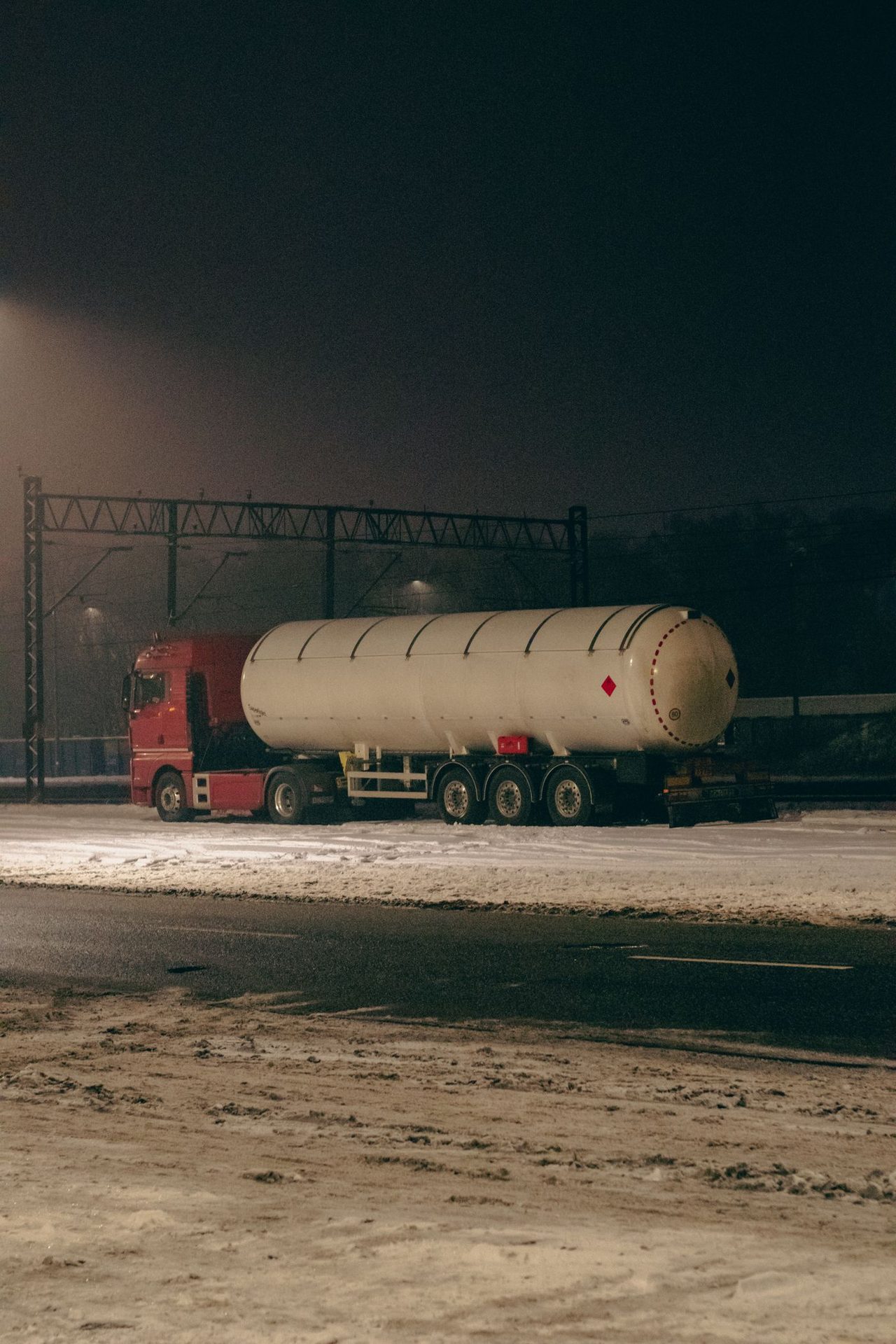
A general-purpose mid-low band for works that run more than one recipe from the same tank: PVAc homopolymer one week, a vinyl acetate ethylene copolymer the next. The wider window tolerates the pause between campaigns, and the grade remains the practical default for mid-sized polymer plants with mixed order books. Changeover hygiene, rather than the band, is what decides batch consistency.
Typical values, not for specification. Batch certificate governs delivery.
| Chemical name | Vinyl Acetate Monomer (VAM) |
|---|---|
| CAS / EINECS | 108-05-4 / 203-545-4 |
| Formula / MW | C4H6O2 / 86.09 |
| Appearance | Clear, colourless liquid, free of suspended matter |
| VA purity | ≥ 99.9 wt% (typical) |
| Water | ≤ 200 ppm (0.02 wt%, typical) |
| Acidity as acetic acid | ≤ 50 ppm (typical) |
| Acetaldehyde | ≤ 50 ppm (typical) |
| Methyl acetate | ≤ 50 ppm (typical) |
| Ethyl acetate | ≤ 250 ppm (typical) |
| Colour | ≤ 5 Pt-Co (typical) |
| Distillation range @760 mmHg | 72.3 – 73.1 °C |
| Density @20/20 °C | 0.9320 – 0.9345 g/cm³ |
|---|---|
| Boiling point | 72.7 °C |
| Melting point | − 93.2 °C |
| Flash point (closed cup) | − 8 °C |
| Autoignition temperature | 385 – 427 °C (source dependent) |
| Explosive limits in air | 2.6 – 13.4 vol% |
| Vapour pressure @20 °C | 11.7 kPa |
| Vapour density (air = 1) | 3.0 |
| Solubility in water @20 °C | ≈ 2 g/100 mL |
| Refractive index n20/D | 1.395 |
| Inhibitor (hydroquinone, HQ) | 4-7 ppm |
| Storage stability | Depends on temperature, oxygen availability and inhibitor consumption; periodic HQ and polymer re-test recommended |
When one tank serves several recipes, the risk is not the grade itself but what the last batch left behind. This section sets out the clearing routine and the checks that make a changeover repeatable.
A changeover starts with the line, not the tank. Drain the transfer line, the pump casing and the filter housing before the new lot is admitted, because a film of the previous material survives a simple empty-and-refill. Once the line is clear, assess the tank against a documented residual threshold rather than by eye, and write that threshold down for the next recipe.
The second half of the routine is about the batch, not the equipment. A grade entering a tank with unknown residue gives an induction time belonging to neither recipe, so the first batch after a changeover is a qualification batch: run it at the standard recipe, sample earlier than usual, compare the conversion curve with the reference. If the curve matches, the changeover is closed; if it drifts, suspect the residue first.
Stainless steel or aluminium only. Confirm the headspace practice against documented supplier guidance instead of assuming a nitrogen blanket is protective.
Sequence campaigns so that the widest-window grade follows the narrowest, which reduces the chance that a slow-moving remainder holds up a fast recipe.
Use a documented rinse and drain routine. Solvent choice and rinse volume belong in the procedure, not in individual judgement, so that two shifts produce the same starting condition.
Sample at the tank outlet rather than the top, since stratification after a changeover shows up last at the draw point and the reactor sees the outlet first.
Shade the tank, keep the area ventilated and confirm the headspace arrangement with the supplier. Consistency matters more than the specific choice, because only a constant arrangement makes test trends readable.
Each route below links to the application map for the full grade set.
Plants running homopolymer and copolymer campaigns
Multi-recipe binder production from one tank
Binder lines with changing softness targets
Saturation and coating resins in sequence
Sizing kitchens with batch-to-batch variation
Every export lot ships with a batch certificate of analysis.
Compare the inhibitor band, storage window and delivery form side by side.
Technical, knowledge and commercial notes written for this product line.

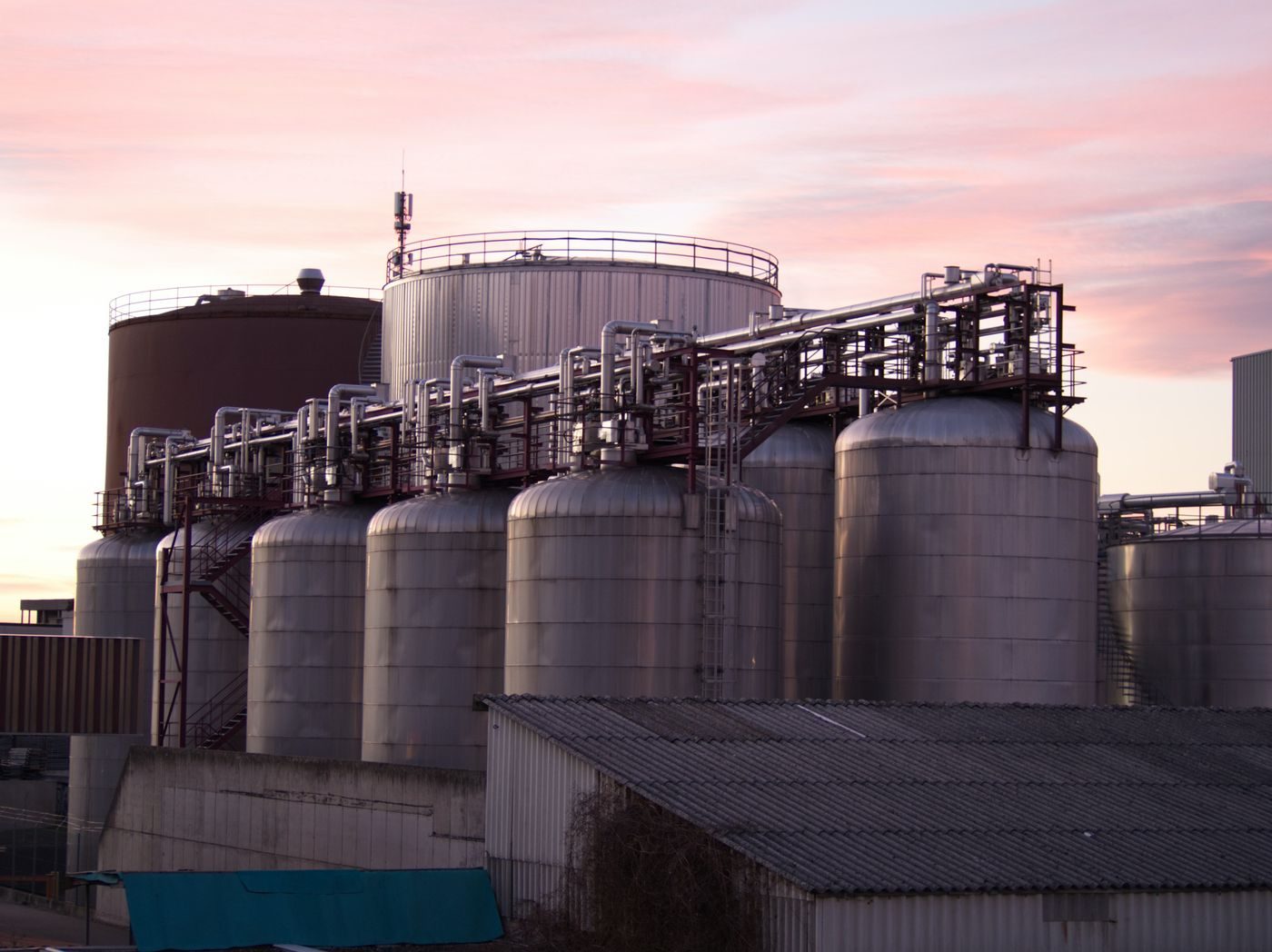
Send your required volume, delivery form and site for Celanese VAM HQ 4-7; we reply with the matching grade, the batch documentation and the shipping window.
 +8615380400285
 sales2@liwei-chem.com
 +8615380400285
 Fred Wang

 Scan to WhatsApp