


Vinyl Acetate Monomer HQ 4-6 · inhibitor 4-6 ppm
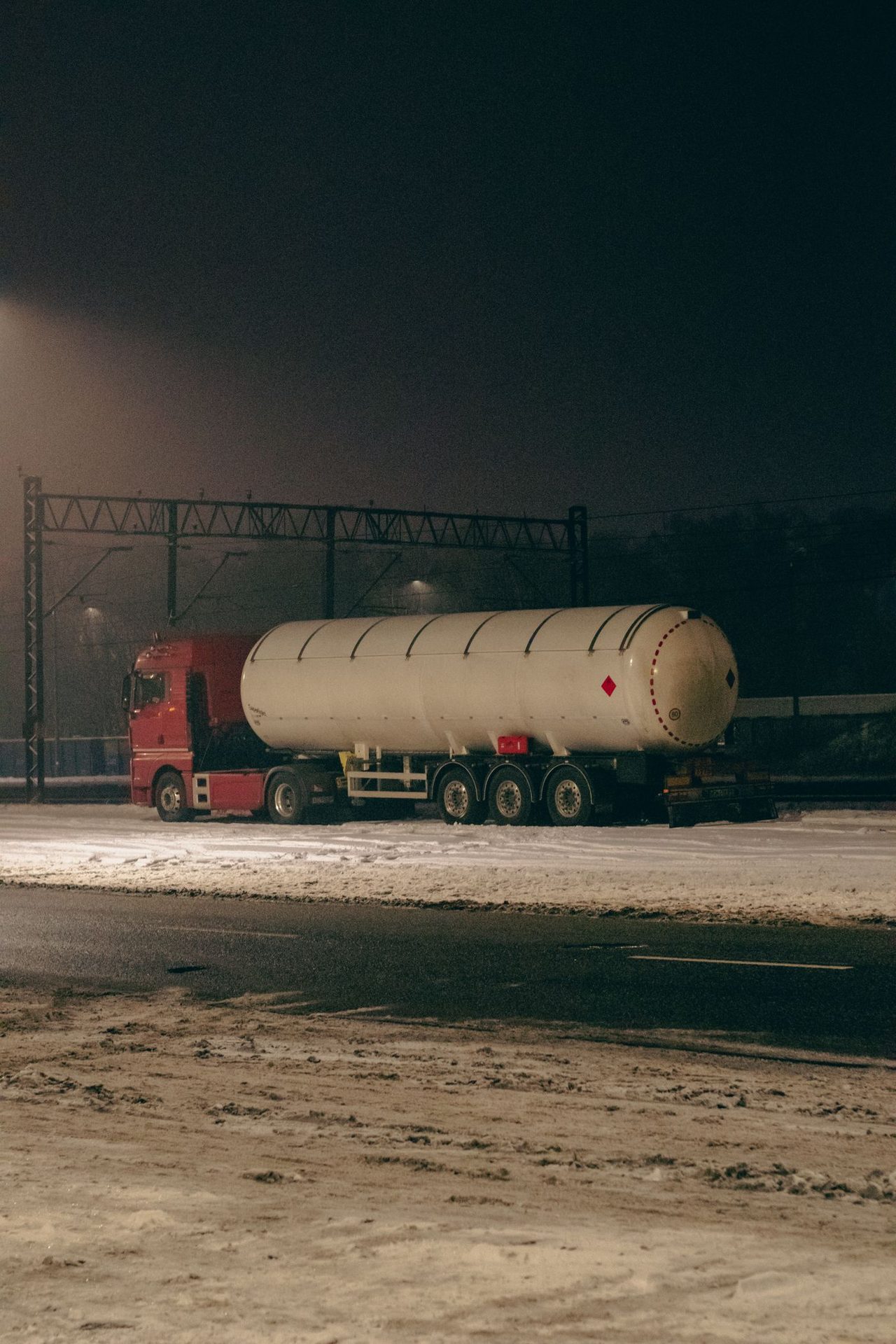
A slightly wider inhibitor window than the lowest band, intended for plants that charge monomer several times a week and would rather unload straight into the reactor feed line. Typical service is a regional coating or adhesive emulsion line where the tanker arrives on a fixed schedule and discharge is finished within a shift. The layout matters as much as the band: a short dedicated line and a small buffer tank.
Typical values, not for specification. Batch certificate governs delivery.
| Chemical name | Vinyl Acetate Monomer (VAM) |
|---|---|
| CAS / EINECS | 108-05-4 / 203-545-4 |
| Formula / MW | C4H6O2 / 86.09 |
| Appearance | Clear, colourless liquid, free of suspended matter |
| VA purity | ≥ 99.9 wt% (typical) |
| Water | ≤ 200 ppm (0.02 wt%, typical) |
| Acidity as acetic acid | ≤ 50 ppm (typical) |
| Acetaldehyde | ≤ 50 ppm (typical) |
| Methyl acetate | ≤ 50 ppm (typical) |
| Ethyl acetate | ≤ 250 ppm (typical) |
| Colour | ≤ 5 Pt-Co (typical) |
| Distillation range @760 mmHg | 72.3 – 73.1 °C |
| Density @20/20 °C | 0.9320 – 0.9345 g/cm³ |
|---|---|
| Boiling point | 72.7 °C |
| Melting point | − 93.2 °C |
| Flash point (closed cup) | − 8 °C |
| Autoignition temperature | 385 – 427 °C (source dependent) |
| Explosive limits in air | 2.6 – 13.4 vol% |
| Vapour pressure @20 °C | 11.7 kPa |
| Vapour density (air = 1) | 3.0 |
| Solubility in water @20 °C | ≈ 2 g/100 mL |
| Refractive index n20/D | 1.395 |
| Inhibitor (hydroquinone, HQ) | 4-6 ppm |
| Storage stability | Depends on temperature, oxygen availability and inhibitor consumption; periodic HQ and polymer re-test recommended |
Where a tanker can be piped directly to the reactor, the storage tank stops being a warehouse and becomes a short buffer. This section covers the line layout and the checks that keep that loop closed.
Keep one hose set and one pump for vinyl acetate only. Residues from other service can carry initiator traces or metal ions into the transfer, and a dedicated line also makes the cleaning routine short enough to complete between deliveries.
Size the receiving tank for one delivery plus a working day of consumption. A small buffer limits how long the material sits between the tanker and the reactor, which is the whole point of running a closed loop with a mid-low inhibitor band.
Decide the headspace arrangement with the supplier and keep it consistent from lot to lot. Changing between inert and air-saturated headspace on the same tank confuses every later test result and makes inhibitor behaviour hard to interpret.
Tie the discharge pump to a high-level interlock and reconcile the delivered volume against the batch sheet before charging. Overflow protection matters here because the loop runs unattended for part of the shift.
Drain and clear the line once discharge finishes, then record the transfer time. Material left standing in a hose sees ambient heat and no circulation, which is exactly the condition the arrival test is meant to exclude.
Stainless steel or aluminium only. Confirm the headspace practice against documented supplier guidance instead of assuming a nitrogen blanket is protective.
Bond and earth the tanker before connecting, confirm the receiving tank has capacity, then start the pump slowly to check for leaks at the flange joints before opening to full rate.
Stainless steel or aluminium wetted parts. Avoid copper alloys in pumps and valves, and replace rusted fittings rather than cleaning them, since surface iron is an active nuisance in this service.
Route displaced vapour to a safe location and keep ignition sources out of the unloading bay. The vapour is heavier than air and can travel along the ground to a distant source.
Log arrival test, transfer window and tank level after discharge. A consistent record makes the next lot comparable and turns an unexpected change in behaviour into a traceable event.
Each route below links to the application map for the full grade set.
Architectural binder lines fed by scheduled tanker
Emulsion plants with direct reactor feed
Coating kitchens with daily consumption
Redispersible powder plants with steady draw
Every export lot ships with a batch certificate of analysis.
Compare the inhibitor band, storage window and delivery form side by side.
Technical, knowledge and commercial notes written for this product line.

Send your required volume, delivery form and site for Celanese VAM HQ 4-6; we reply with the matching grade, the batch documentation and the shipping window.
 +8615380400285
 sales2@liwei-chem.com
 +8615380400285
 Fred Wang

 Scan to WhatsApp