


Vinyl Acetate Monomer HQ 14-17 · inhibitor 14-17 ppm
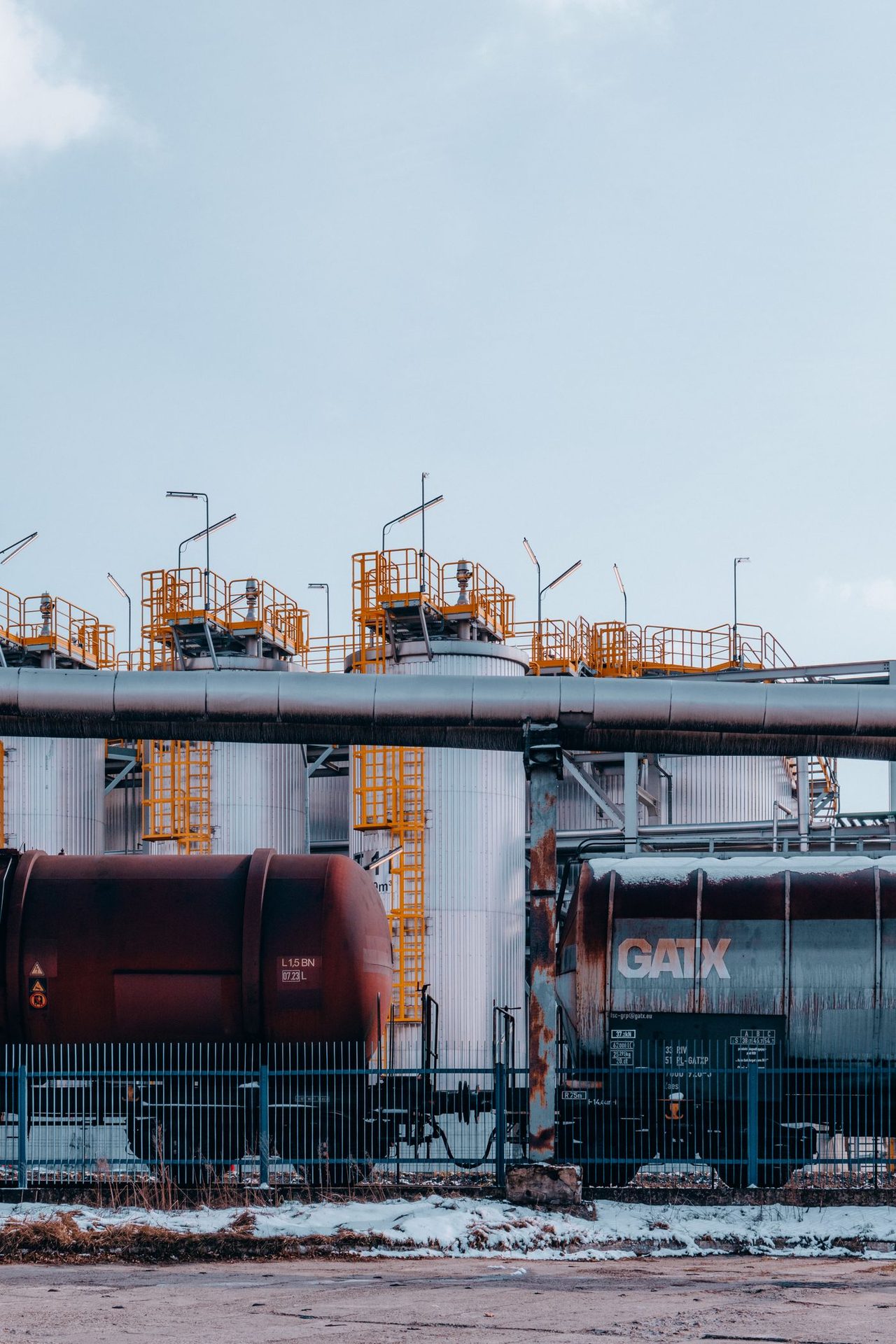
Specified for discharge ports in tropical and high-humidity regions, where a container may wait in an open yard through a rainy season before it is cleared. The band is higher than a temperate-route grade because the storage the product actually experiences is warmer and less controlled than the storage the buyer intends. Clearance paperwork and covered storage do as much work as the extra margin.
Typical values, not for specification. Batch certificate governs delivery.
| Chemical name | Vinyl Acetate Monomer (VAM) |
|---|---|
| CAS / EINECS | 108-05-4 / 203-545-4 |
| Formula / MW | C4H6O2 / 86.09 |
| Appearance | Clear, colourless liquid, free of suspended matter |
| VA purity | ≥ 99.9 wt% (typical) |
| Water | ≤ 200 ppm (0.02 wt%, typical) |
| Acidity as acetic acid | ≤ 50 ppm (typical) |
| Acetaldehyde | ≤ 50 ppm (typical) |
| Methyl acetate | ≤ 50 ppm (typical) |
| Ethyl acetate | ≤ 250 ppm (typical) |
| Colour | ≤ 5 Pt-Co (typical) |
| Distillation range @760 mmHg | 72.3 – 73.1 °C |
| Density @20/20 °C | 0.9320 – 0.9345 g/cm³ |
|---|---|
| Boiling point | 72.7 °C |
| Melting point | − 93.2 °C |
| Flash point (closed cup) | − 8 °C |
| Autoignition temperature | 385 – 427 °C (source dependent) |
| Explosive limits in air | 2.6 – 13.4 vol% |
| Vapour pressure @20 °C | 11.7 kPa |
| Vapour density (air = 1) | 3.0 |
| Solubility in water @20 °C | ≈ 2 g/100 mL |
| Refractive index n20/D | 1.395 |
| Inhibitor (hydroquinone, HQ) | 14-17 ppm |
| Storage stability | Depends on temperature, oxygen availability and inhibitor consumption; periodic HQ and polymer re-test recommended |
Between the quay and the plant there is usually a yard, a shed and a queue. This section covers the dwell limits and the handling that keep a tropical delivery inside its working window.
Complete clearance documents before the vessel berths. The most common cause of a long tropical dwell is not a handling problem at all, it is a document that arrives after the container and leaves the load sitting in the sun for a fortnight.
Move the container to a covered shed rather than an open stack as soon as it is released. A shed is not refrigerated storage, but it removes the direct solar load, which is the difference between a warm container and a hot one.
If the plant cannot take the load immediately, decide whether to leave it under cover or take it into tankage. Leaving it in a yard because the tank is full is the decision that most often turns a good lot into a borderline one.
Stainless steel or aluminium only. Confirm the headspace practice against documented supplier guidance instead of assuming a nitrogen blanket is protective.
Where two ports are viable, prefer the one with covered storage and a shorter inland leg. The extra sailing time is usually cheaper than the extra yard time.
Schedule deliveries around the rainy season where possible, and increase the arrival test frequency during it rather than after it.
Inspect for condensation staining on the inside of the container door and note it. Interior wetting is evidence of the temperature cycling the load has already seen.
Bond and earth before transfer, keep hoses dedicated and drain them afterwards. Tropical conditions make the ignition risk around vapour no smaller, only less noticeable.
Each route below links to the application map for the full grade set.
Binder plants in tropical markets
Emulsion producers on long inbound routes
Site chemical supply in hot climates
Coating kitchens with open-yard intake
Every export lot ships with a batch certificate of analysis.
Compare the inhibitor band, storage window and delivery form side by side.
Technical, knowledge and commercial notes written for this product line.

Send your required volume, delivery form and site for Celanese VAM HQ 14-17; we reply with the matching grade, the batch documentation and the shipping window.
 +8615380400285
 sales2@liwei-chem.com
 +8615380400285
 Fred Wang

 Scan to WhatsApp