


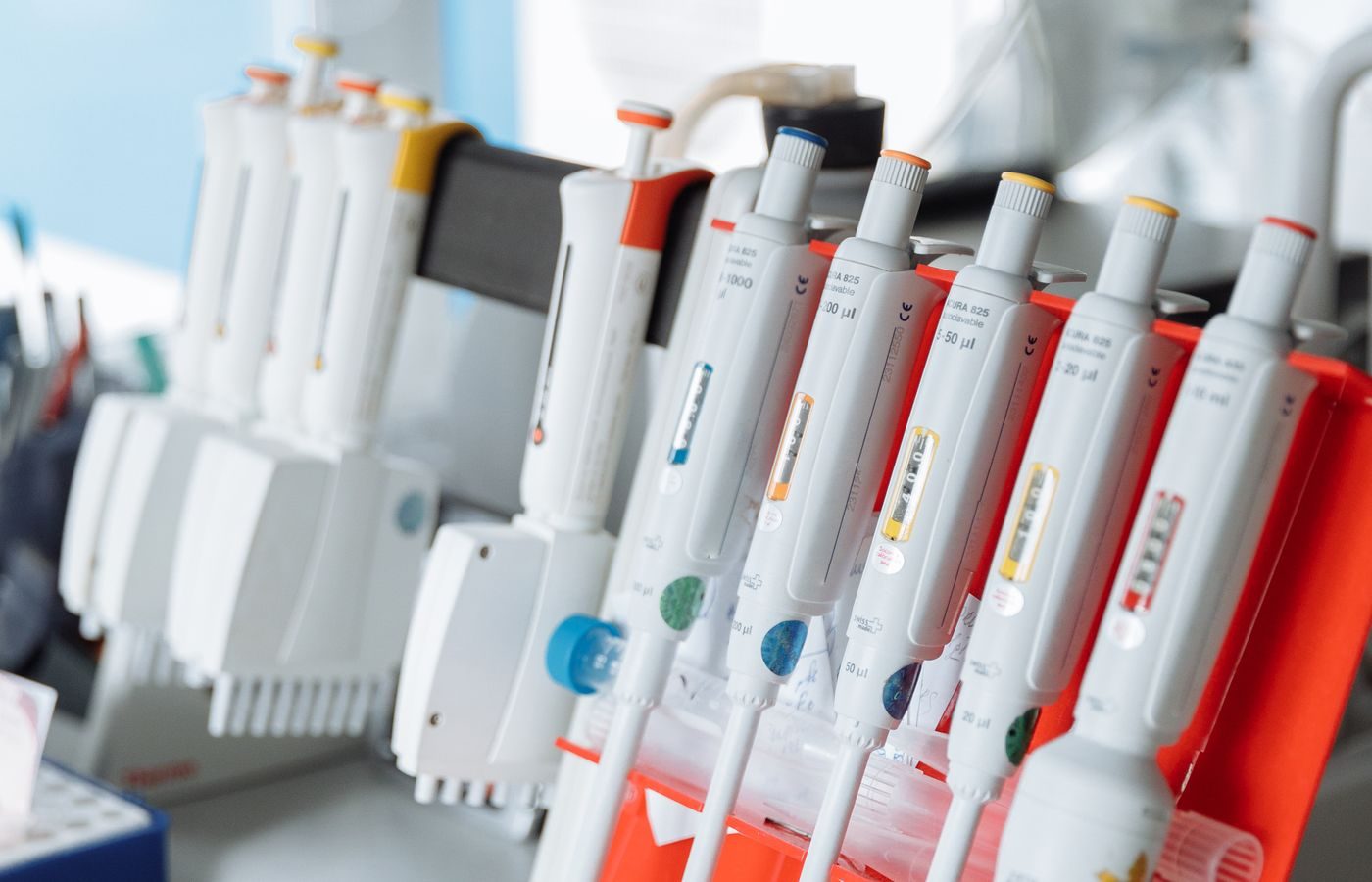




The general-purpose ECO-B band, for buyers who need both inland reach and bio-attributed bookkeeping. Because the band tolerates a long inland haul, it is the version most often chosen by plants that are not at a port and still have to answer a customer questionnaire about the carbon story behind the material. The attribution needs its own ledger, reconciled before any claim is issued.
Typical values, not for specification. Batch certificate governs delivery.
| Chemical name | Vinyl Acetate Monomer (VAM) |
|---|---|
| CAS / EINECS | 108-05-4 / 203-545-4 |
| Formula / MW | C4H6O2 / 86.09 |
| Appearance | Clear, colourless liquid, free of suspended matter |
| VA purity | ≥ 99.9 wt% (typical) |
| Water | ≤ 200 ppm (0.02 wt%, typical) |
| Acidity as acetic acid | ≤ 50 ppm (typical) |
| Acetaldehyde | ≤ 50 ppm (typical) |
| Methyl acetate | ≤ 50 ppm (typical) |
| Ethyl acetate | ≤ 250 ppm (typical) |
| Colour | ≤ 5 Pt-Co (typical) |
| Distillation range @760 mmHg | 72.3 – 73.1 °C |
| Density @20/20 °C | 0.9320 – 0.9345 g/cm³ |
| Boiling point | 72.7 °C |
|---|---|
| Melting point | − 93.2 °C |
| Flash point (closed cup) | − 8 °C |
| Autoignition temperature | 385 – 427 °C (source dependent) |
| Explosive limits in air | 2.6 – 13.4 vol% |
| Vapour pressure @20 °C | 11.7 kPa |
| Vapour density (air = 1) | 3.0 |
| Solubility in water @20 °C | ≈ 2 g/100 mL |
| Refractive index n20/D | 1.395 |
| Inhibitor (hydroquinone, HQ) | 6-8 ppm |
| Storage stability | Depends on temperature, oxygen availability and inhibitor consumption; periodic HQ and polymer re-test recommended |
| Bio-attribution | ISCC PLUS mass balance |
A bio-attributed purchase becomes a number in someone else books. This section covers how that number is built, which documents support it and where the limits of the claim sit.
When a plant buys bio-attributed monomer, the material enters its own product and the attribute enters its reporting; the two are tracked separately. The plant records the attributed quantity against the lot and uses it when a customer asks about the bio-based share of a finished product. What it cannot do is treat that volume as though the drum in the store were physically different from a conventional drum, because it is not.
Accounting discipline matters more than terminology. Attributed volumes are finite: one unit of certified input supports one unit of claim, so a plant that over-allocates across two product lines has created a problem it will meet during an audit. The safe practice is a simple ledger, one line per lot, showing quantity received, quantity consumed and quantity still claimable, reconciled before any statement is issued.
Stainless steel or aluminium only. Confirm the headspace practice against documented supplier guidance instead of assuming a nitrogen blanket is protective.
The band tolerates a long inland haul, but not an uncontrolled one. Keep the truck or rail leg shaded where possible and avoid open-yard storage at a relay point.
Confirm inhibitor band and water on arrival as for any conventional lot, and confirm the attribution documents reference the same lot number.
Same tanks, same rules: stainless steel or aluminium, ventilated area, defined headspace arrangement, defined re-test interval.
Agree internally who owns the attribution ledger before the first claim is made. Shared ownership of a compliance number is the usual reason it drifts.
Each route below links to the application map for the full grade set.
Coating ranges with published carbon targets
Adhesives sold into packaging chains
Board producers facing brand questionnaires
Construction chemicals with project reporting
Every export lot ships with a batch certificate of analysis.
Compare the inhibitor band, storage window and delivery form side by side.
Technical, knowledge and commercial notes written for this product line.
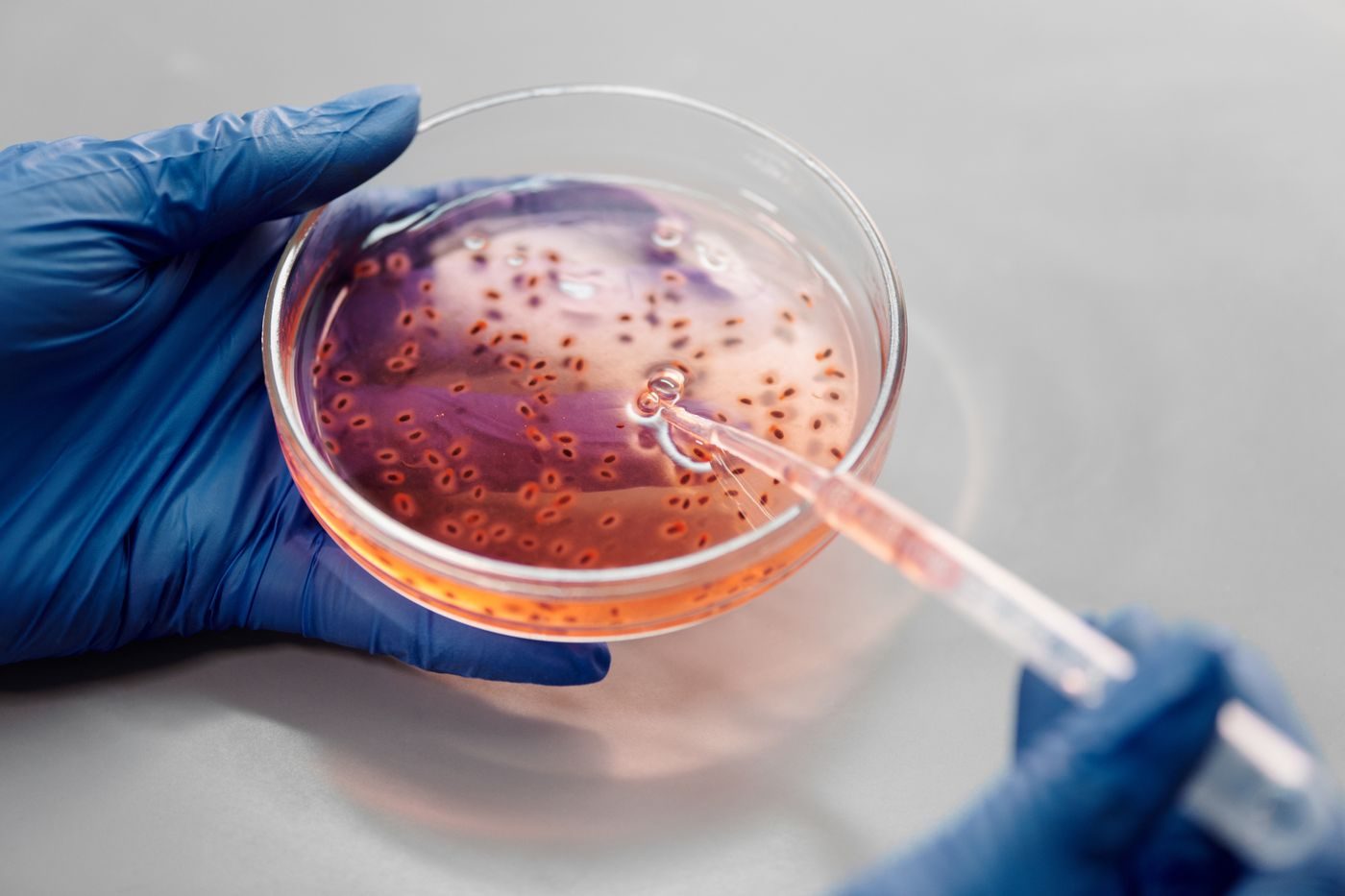

Send your required volume, delivery form and site for Celanese VAM HQ 6-8 ECO-B; we reply with the matching grade, the batch documentation and the shipping window.
 +8615380400285
 sales2@liwei-chem.com
 +8615380400285
 Fred Wang

 Scan to WhatsApp